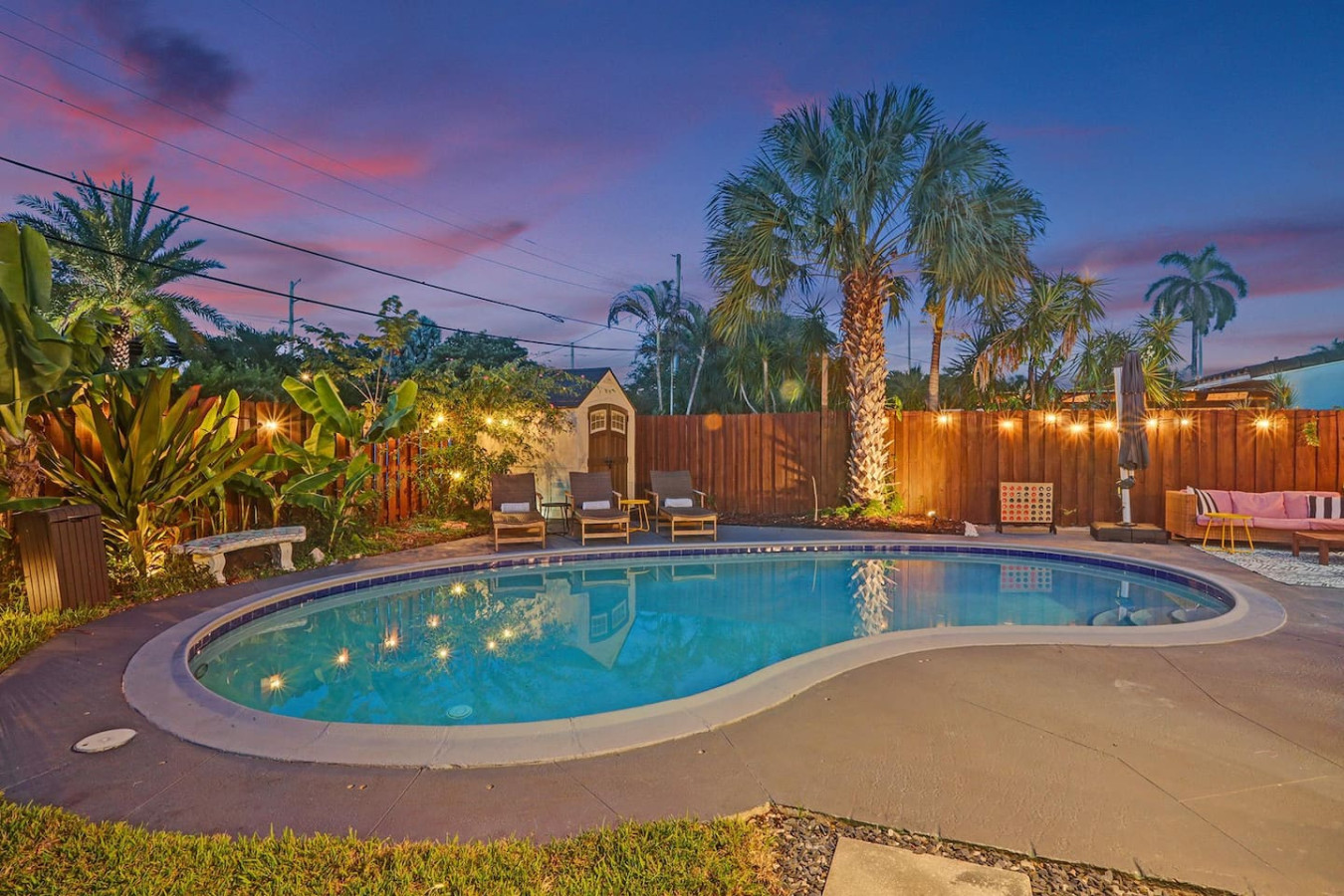
For owners of a fine home, the biggest worry about short-term renting usually isn't income. It's the house. Will guests respect it? What happens if something breaks? Who pays?
Most stays end with nothing more than a full dishwasher. But protection isn't luck. It's a system that runs before, during and after every stay. Here's how that system works, what the platforms really cover, and where owners get caught out.
Layer 1: Prevention starts before the booking
Screening. Platforms do some of the work. Airbnb requires booking guests to complete identity verification, and it uses reservation-screening technology designed to reduce the risk of unauthorized parties, looking at factors such as the type of listing, the length of the stay, how far the guest lives from the home and whether the booking is last-minute (Airbnb, How AirCover for Hosts works). A good manager adds human judgment on top: reading the guest's profile and history, asking about the purpose of the trip and the group, and declining when something doesn't add up.
Clear, enforceable house rules. These cover occupancy, parking, quiet hours, events, pets and pool safety, and they're written to match local law. In Fort Lauderdale, for example, occupancy is limited to two people per legal bedroom, and the city verifies this at inspection.
Smart, compliant monitoring. Airbnb bans security cameras that monitor any indoor space. Exterior cameras are allowed if they're disclosed and don't watch indoor or privacy-sensitive areas. Noise (decibel) monitors may be used in common areas if they're disclosed and don't record audio (Airbnb help: devices). Used properly, a noise monitor flags a gathering early, before it becomes a party.
Layer 2: Inspections, every time
Documentation is the foundation of every successful damage claim. If you can't show the condition of the home before a stay, it's hard to prove what changed during it.
That's why we run a quality-control inspection after every cleaning and before every check-in: photos of key rooms, furniture, the pool area and high-value items, plus a check that everything works. It catches maintenance issues early, keeps reviews strong, and creates the before-and-after record a claim depends on.
Beyond turnovers, a well-run home gets periodic deeper checks of AC filters and drain lines, the pool equipment, water heaters, roofs and gutters, and hurricane readiness. Those inspections protect the asset itself, not only the next stay.
Layer 3: What the platforms actually cover
Owners often hear "Airbnb covers damage up to $3 million" and stop there. The details matter.
Airbnb: AirCover for Hosts
Airbnb's Host Damage Protection covers up to $3 million in eligible damage to your home and belongings caused by guests, with protections for art and valuables, deep cleaning, pet damage and certain lost income. Host liability insurance (up to $1 million) is separate (Airbnb). Under the Host Damage Protection Terms (Airbnb Help, article 2869):
- Act within 14 days. You must first ask the guest to pay, usually through the Resolution Center, within 14 days of checkout.
- Escalate within 30 days. If the guest doesn't pay, you file the Host Damage Protection payment request within 30 days of checkout, with evidence: photos, videos, receipts, repair estimates and an inventory of damaged items.
- It's not insurance. Airbnb states that Host Damage Protection is not an insurance policy and doesn't replace your own insurance.
- Exclusions matter. The terms exclude, among other things, weather events such as hurricanes, normal wear and tear, and mold. Payment is generally the lower of repair cost or actual cash value, reduced by any amount recovered elsewhere.
Vrbo: deposits or Property Damage Protection
On Vrbo, a host can require a refundable damage deposit or offer guests Property Damage Protection, an optional plan guests buy instead of leaving a deposit (coverage levels of $1,500, $3,000 or $5,000). For deposits of $5,000 or less, Vrbo keeps the guest's card on file; above $5,000, it charges a refundable deposit at booking. If damage occurs, the host must document and report it within 14 days of checkout (Vrbo Help).
Other channels
Programs differ by platform. Where a channel has no damage program, a security deposit collected from the guest fills the gap. That's our approach.
Layer 4: Your own insurance
Platform programs are a backstop, not a policy. Most standard homeowners policies weren't written for regular short-term rental use. Talk to a licensed insurance agent about a policy that explicitly covers short-term rental activity, including liability, property damage and loss of income, and check how it coordinates with platform programs. This is especially important in hurricane season, since platform damage programs exclude weather.
When something does go wrong: what a good claim looks like
- Document immediately. Take time-stamped photos and video at the post-stay inspection, next to the pre-stay record.
- Contact the guest promptly and politely, explaining what happened and the cost.
- Get evidence of cost: repair estimates, invoices, original receipts or replacement quotes.
- File inside the deadlines: 14 days to request from the guest on Airbnb, 30 days for the Host Damage Protection request, and 14 days on Vrbo. Missing a deadline can sink a valid claim.
- Make the home ready for the next guest, then follow the claim through to resolution.
When owners try to do this themselves from a distance, the steps that usually slip are the documentation and the deadlines. That's why "damage claims, handled" is part of what we do. We file and manage the claim with the platform on the owner's behalf, with the inspection record to back it up.
A quick protection checklist
- Guests are screened by a person, not only by the platform
- House rules match local law (occupancy, parking, noise)
- Monitoring devices are compliant and disclosed
- There's a photo inspection before every check-in and after every cleaning
- A security deposit is used where a channel has no damage program
- Short-term-rental insurance has been reviewed with a licensed agent
- Someone local can be at the home in person, fast
- Claims are filed within platform deadlines, with documentation
Peace of mind, by design
Protecting a home isn't one product or one policy. It's a routine carried out on every stay. That's what we mean when we say a home should be cared for like a residence and run like a five-star rental.
Want to see how we'd protect your home? Request a private property review, or read how our protection works. We manage pool homes and waterfront properties across Fort Lauderdale, Hollywood and the South Florida coast.
Platform terms change. Details reflect Airbnb's Host Damage Protection Terms (updated Aug 1, 2026) and Vrbo's help pages as reviewed on Oct 8, 2026. This article is general information, not insurance or legal advice.